Finding an old coin in a drawer can feel like discovering a buried postcard from the past. But before you imagine instant fortunes, there’s a deliberate, hands-on process to understanding what that best coin identifier app is really worth. This guide walks you through that process from the moment you lift the coin to the point you decide to sell, hold, or learn more. No jargon-heavy lectures—just clear steps, useful tools, and the kinds of decisions collectors actually make.
Along the way you’ll learn which details matter most, how to spot fakes, where to look up prices, and when it’s worth getting a professional opinion. I’ll also point out mistakes that cost people money, and show how to avoid them. Think of this as a map and a checklist: practical, aimed at real results.
Start with a Careful First Look
The first inspection is about observation, not action. Hold the coin by its edges to avoid fingerprints, keep it over a soft surface in case it slips, and use natural light—preferably indirect daylight. Note the obvious: country, denomination, year, and any visible mint marks. Those four pieces of information often determine the coin’s basic identity and initial rarity.
Beyond the basics, look for design details and condition issues. Are there scratches, dents, or signs of cleaning? Is the rim smooth or damaged? Are small letters and fine design elements still sharp or are they worn flat? Condition, which collectors call “grade,” influences value dramatically—sometimes more than rarity does.
Tools That Make the Job Easier
A few inexpensive tools will improve your accuracy and confidence. A 10x jeweler’s loupe helps you see micro-details like die cracks, re-engraving, or suspicious tooling. Digital calipers measure diameter and thickness, which can confirm whether a coin matches expected specifications. A compact digital scale that reads to 0.01 grams is useful if you suspect precious-metal content.
- 10x magnifier or loupe
- Digital calipers (mm)
- Precision scale (0.01 g)
- Soft gloves or finger cots
- White or neutral background for photography
Photograph both sides of the coin with a plain background. Clear photos let you compare details with online references and help if you later seek input from dealers or auction houses.
Identify the Coin Precisely
Once you’ve gathered the visual facts and measurements, the next step is precise identification. Use reputable catalogs and databases. For U.S. coins, resources like the Red Book (A Guide Book of United States Coins) or the Professional Coin Grading Service (PCGS) online price guide are essential. For world coins, Krause catalogs and Numista are helpful starting points.
Look for variants: different mints, overdates, doubled dies, and other minting errors can make a coin considerably more valuable. Match the coin’s imagery, inscriptions, dates, and mint marks to the exact listing. If the coin deviates in weight, diameter, or design, make a note—dispersion from standards is sometimes a clue to a mismatch or counterfeit.
Quick Reference Table: Where to Look
| Type of Coin | Best Free Resources | Recommended Paid Reference |
|---|---|---|
| U.S. Coins | PCGS Price Guide, NGC, CoinFacts | Red Book (Whitman) |
| World Coins | Numista, CoinArchives | Krause Standard Catalog |
| Errors & Varieties | Error-Coin Database, CoinStudy | Specialized error guides |
Assess Condition (Grading) Correctly
Grading is where many beginners lose money by overestimating their coins. The coin market uses a scale from Poor to Mint State, with numerical grades (1–70) for precise valuation. Most casual finds fall between Good and Extremely Fine. Look at high points of the design first—those wear first. If details on the highest points are sharp, the coin likely grades higher.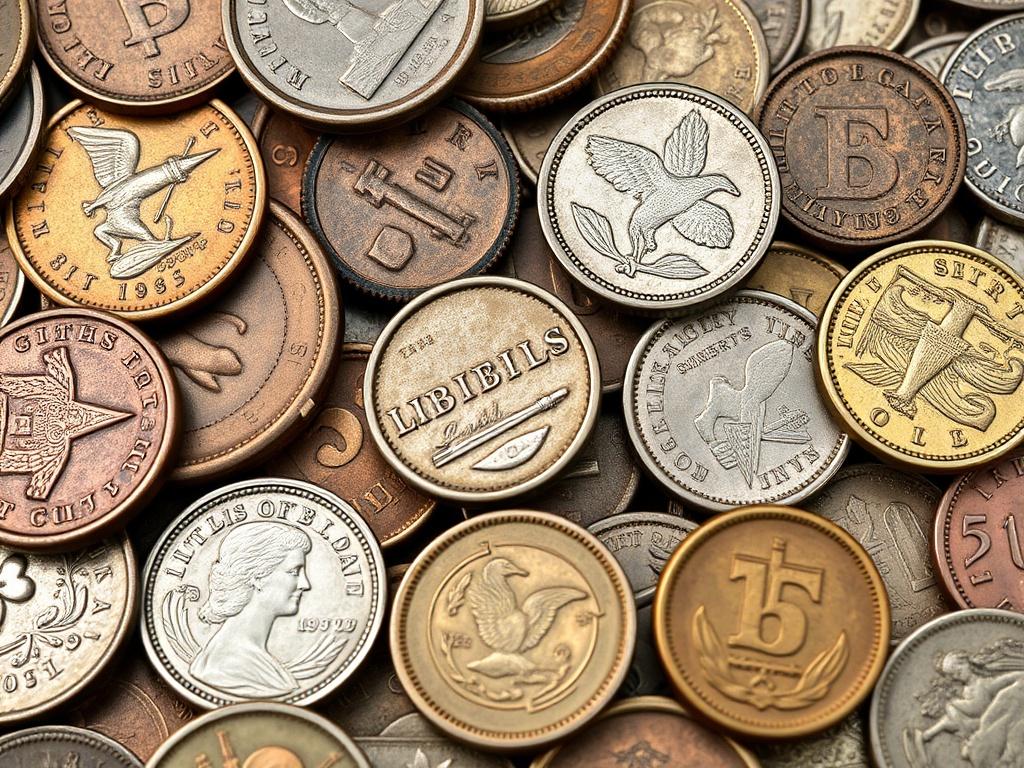
A few simple grading tips: sharp hairlines and facial details indicate minimal wear; uniform luster suggests originality; and hairline scratches, unnatural sheen, or streaks can signal cleaning. If you’re unsure, compare your photos to grade-illustration charts available from grading service websites. When value is significant, consider third-party grading (PCGS, NGC) for an impartial, market-recognized grade.
Metal Content vs. Numismatic Value
Not every old coin is valuable because it’s made of precious metal. Some are bullion — their melt value is based on metal content and current spot prices. Silver and gold coins often have a floor value determined by bullion markets. But numismatic value — price collectors pay for rarity, condition, and history — can far exceed melt value for some dates and varieties.
To check metal content, compare weight and diameter to standard specifications and, if needed, use a specific gravity test or XRF analysis (many coin dealers and grading services can perform this). Be cautious with attractive old coins that are base metal but plated to look precious — a simple weight check often tells the story.
Detecting Fakes and Alterations
Counterfeits come in many forms: cast copies, modern restrikes, plated base-metal pieces, and altered-date coins. Signs to watch for include mismatched weight, inconsistent edge reeding, blunted details, or bubbles under the surface (a sign of casting). Unnatural patina or scratch patterns can indicate chemical treatments or artificial aging.
If something feels off, compare minute details with high-resolution images of authenticated specimens. Seek opinions from reputable forums, local coin clubs, or a professional grader. When value is high, a professional authentication removes doubt and protects both buyer and seller.
Finding the Market Value
Market value is where research and timing converge. Price guides provide a snapshot based on condition categories, but realized auction prices tell the truest story of what buyers recently paid. Check multiple auction results for similar condition coins. Online marketplaces like Heritage, Stack’s Bowers, eBay (filter by sold listings), and dedicated auction houses give a wide view of current demand.
Also consider local factors—some regional issues garner more interest in specific markets, and economic shifts in metal prices or collecting trends can move prices quickly. If your coin is common and in low grade, expect to get closer to book value; if it’s rare or high grade, auction routes or specialized dealers will likely fetch more.
Options for Selling or Keeping
Once you know what you have, choose a path. Selling to a local coin dealer is fast and convenient but often yields lower prices than consigning to auction. Online marketplaces let you reach collectors directly but require time, good photos, accurate descriptions, and attention to shipping and buyer protection. Professional grading before sale can increase value for rarities but costs money and time.
- Local dealers: quick sale, lower price
- Coin shows: better exposure, face-to-face negotiation
- Auctions (online or live): best for rare/high-value pieces
- Private sale/collectors: can be highest return if you have contacts
Whichever route you pick, be transparent about condition and any prior treatments. Full disclosure builds trust and reduces returns or disputes.
Common Pitfalls to Avoid
Don’t clean your coin. Cleaning—especially with abrasive methods—reduces collector value dramatically. Don’t rely on a single price guide or seller; cross-check. Beware “too good to be true” offers and high-pressure dealers. And avoid selling an important piece without a second opinion if you’re unsure—it’s easy to underestimate rarity.
When to Seek Professional Help
Professional grading or appraisal makes sense when a coin has potential high value, unusual markings, or if authentication is questionable. Grading encapsulates a coin and provides buyer confidence, often leading to higher realized prices. Appraisers can also help with estate valuations and insurance purposes. Use established services with clear fees and turnaround times, and factor those costs into your decision.
Finally, join a local coin club or online community. Experienced collectors can spot nuances quickly and often point you to trusted buyers or specialists. Collecting is social; a second pair of experienced eyes is worth the time.
Practical Checklist: Step-by-Step
- Handle by the edge; inspect under good light.
- Record basic identifiers: country, denomination, date, mint mark.
- Measure and weigh; photograph both sides.
- Check reference catalogs and price guides.
- Compare grade illustrations and decide if professional grading is warranted.
- Search auction records for realized prices of similar pieces.
- Decide on selling route or keeping for collection.
- If selling, disclose condition, provenance, and grading status.
Conclusion
Checking the value of an old coin is a small detective story: observe carefully, gather data, cross-check reputable sources, and weigh the market before acting. With a loupe, a few reference tools, and a bit of patience you can separate common pieces from treasures, avoid costly mistakes like cleaning or hasty sales, and choose the best path whether you want to sell or keep. If the coin looks significant, invest in expert grading or an appraisal—peace of mind is often worth the fee. Above all, treat the coin gently and document what you find; that diligence preserves both the coin’s condition and its value.